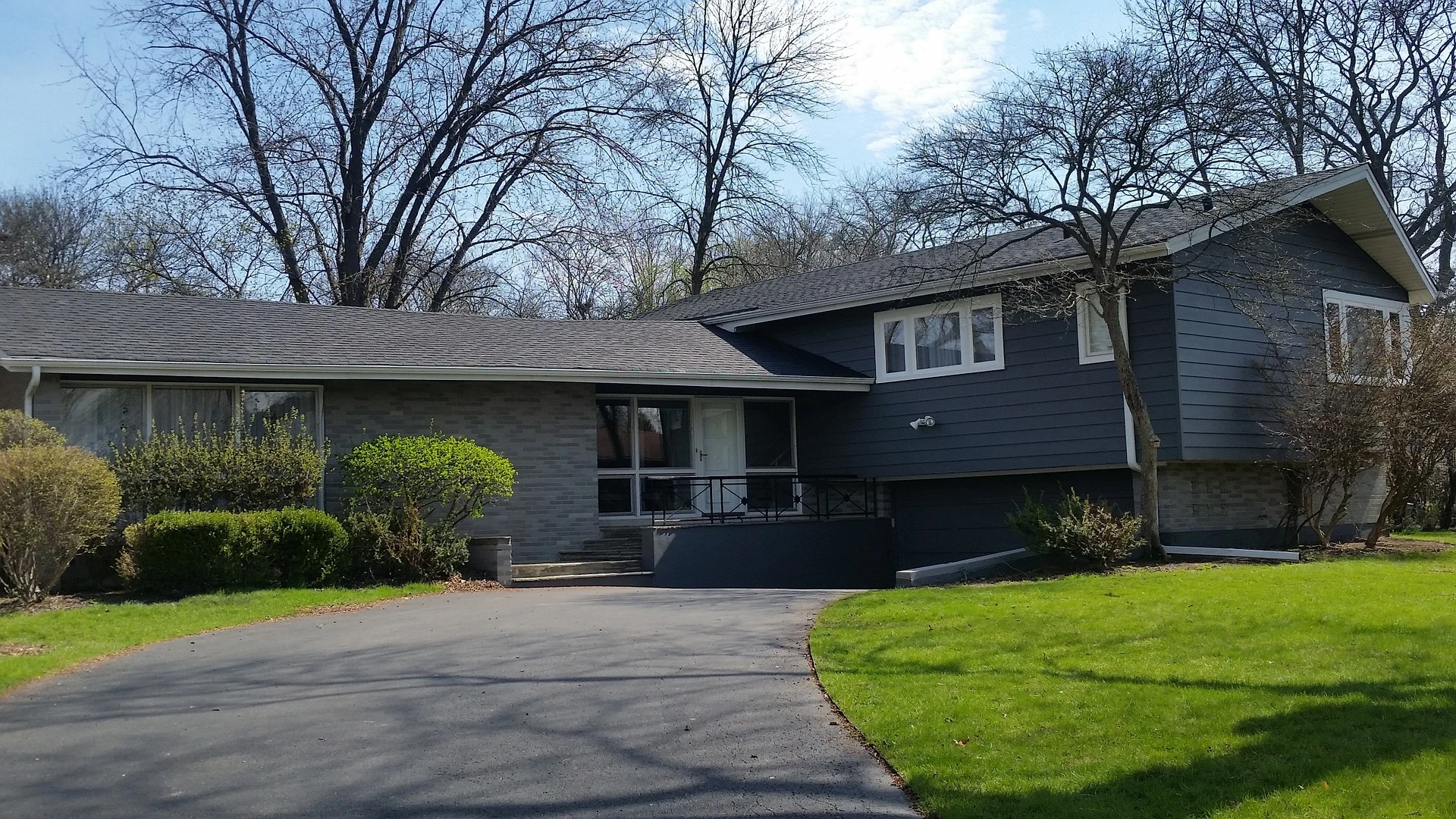
Specialized loan programs for foreclosures, REOs, and properties in disrepair that traditional lenders won't touch.
Distressed property loans address a critical gap in real estate financing by providing capital for properties that conventional lenders cannot or will not fund. These properties, ranging from foreclosure acquisitions and bank-owned REOs to fire-damaged structures, abandoned buildings, and assets with significant deferred maintenance, often represent the best profit opportunities for experienced investors, yet their condition, circumstances, or ownership status make them ineligible for traditional mortgage products. Hard money distressed property loans evaluate these investments based on their potential value after repairs and the investor's ability to execute a turnaround strategy, rather than applying the rigid criteria that exclude them from bank financing.
The financing challenges with distressed properties are substantial and varied. Traditional lenders require properties to be habitable with functioning systems, which eliminates fire-damaged homes, properties with vandalized interiors, and assets with failed roofs or structural issues. Lenders also avoid properties with title complications, which are common in distressed situations involving foreclosure, probate, or bankruptcy. Additionally, the speed requirements of many distressed acquisitions, foreclosure auctions, short sales with quick close requirements, or estate liquidations, far exceed the timelines banks can meet. Hard money lenders specializing in distressed properties understand these complexities and structure loans that accommodate them.
Arizona's real estate market, like all markets, experiences distress cycles that create opportunities for prepared investors. Economic downturns, personal financial crises, natural disasters, and market corrections all generate distressed inventory. The Phoenix metropolitan area, with its large volume of real estate and diverse housing stock, regularly produces foreclosure properties, estate sales, and damaged assets that savvy investors can acquire at significant discounts. Distressed property loans provide the capital necessary to capture these opportunities, transforming problem properties into valuable community assets while generating returns for investors willing to take on the challenges.
Service Applications
Foreclosure auction purchases are perhaps the most common application for distressed property loans. Properties sold at trustee sales or sheriff sales are typically purchased as-is with no warranties, no inspections, and immediate payment requirements. These properties often have significant issues, outstanding liens, occupied by former owners or tenants, damaged systems, or unknown conditions, that make them unsuitable for conventional financing. Hard money lenders experienced with foreclosure purchases understand the risks and can provide fast funding for auction acquisitions, often including funds for immediate eviction or cash-for-keys negotiations if properties are occupied.
REO (Real Estate Owned) bank purchases involve properties that have already gone through foreclosure and are now owned by lenders. While these properties are sometimes in better condition than auction purchases, they often still have significant issues that banks selling them haven't addressed. They may have been vacant for extended periods, vandalized, or suffered maintenance failures. Additionally, REO sellers often want quick closes and prefer buyers who can perform without financing contingencies. Distressed property loans provide the fast, certain capital that helps investors win REO bids and close on schedule.
Fire-damaged and disaster-affected properties present unique financing challenges because of the extent of damage and uncertainty about repair scope. Insurance may have paid out to the previous owner, but the property itself sits damaged and unsaleable through normal channels. Investors with construction expertise can acquire these properties at deep discounts, complete comprehensive renovations, and create like-new homes that command full market value. Hard money loans fund both acquisition and extensive renovation, with structures that accommodate the phased nature of major reconstruction projects.
Abandoned and vandalized properties in otherwise decent neighborhoods often languish because traditional buyers cannot secure financing. Broken windows, stolen copper, squatters, and general neglect make these properties uninhabitable and thus ineligible for bank loans. Yet these eyesores drag down neighborhood values and create opportunities for investors willing to restore them. Distressed property loans evaluate the after-repair value and renovation plan rather than current condition, allowing investors to bring these properties back to productive use.
Inherited and probate properties sometimes become distressed when heirs live out of state, disagree about disposition, or lack resources to maintain the asset during the probate process. These properties may suffer from deferred maintenance, have code violations, or face tax foreclosure if estate issues drag on. Investors who can navigate probate complexities and close quickly provide a valuable service to families while capturing properties at favorable prices. Distressed property loans accommodate the timing and condition issues these situations present.
Common Challenges
Investors pursuing distressed properties face the fundamental obstacle that conventional financing is simply unavailable for these assets. Banks won't lend on uninhabitable properties, won't move fast enough for auction or short-sale timelines, and won't deal with title complications common in distressed situations. This financing gap forces investors to either maintain substantial cash reserves, limiting deal volume, or seek hard money alternatives that understand the distressed property market.
Condition uncertainty creates significant risk in distressed acquisitions. Foreclosure auction buyers often cannot inspect interiors before bidding, leaving them to guess at the extent of damage based on exterior appearance and neighborhood knowledge. Even REO properties may have hidden issues not apparent from brief walkthroughs. This uncertainty makes traditional lenders uncomfortable but is manageable for experienced distressed property investors who build appropriate contingencies into their budgets and have contractor networks capable of handling surprises.
Occupied properties present additional complications, particularly foreclosure purchases where former owners or tenants remain in the home. Eviction processes take time and money, and occupied properties cannot be renovated or resold until possession is secured. Hard money lenders experienced with distressed properties understand these dynamics and can structure loans that include funds for eviction costs, cash-for-keys negotiations, or holding costs during the possession transition period.
Our Approach
Our approach to distressed property lending starts with understanding the specific situation and your plan for the asset. Different distressed scenarios require different strategies, foreclosure auctions demand fast action with limited information, while fire-damaged properties need thorough assessment and phased renovation planning. We discuss the property, your intended purchase price, renovation scope, timeline, and exit strategy to structure appropriate financing.
We move quickly because distressed opportunities don't wait. For auction purchases, we can provide proof of funds letters within hours and fund immediately upon winning a bid. For REO or short-sale purchases, we can close in days rather than weeks. Our underwriting focuses on the after-repair value and your experience rather than current condition, allowing us to make decisions rapidly based on investment merit rather than checking boxes on standardized forms.
Our loan structures accommodate the realities of distressed property investment. We can include renovation funds held in escrow and released through draw inspections, interest reserves that cover payments during renovation, and terms that allow for the unexpected delays common in distressed projects. We also connect you with resources, contractors experienced with distressed properties, title companies familiar with foreclosure transactions, property managers who can handle tenant transitions, to help you execute your strategy successfully.
Phoenix Market
Distressed property opportunities exist across the Phoenix metropolitan area, from central Phoenix neighborhoods experiencing revitalization to suburban communities with foreclosed homes and estate sales. Maricopa County's foreclosure process creates regular auction inventory, while the region's size and diversity ensure constant estate and distressed sales activity. Areas with older housing stock, such as parts of Phoenix, Mesa, and Glendale, may offer more distressed opportunities than newer master-planned communities, though distress can occur anywhere when homeowners face financial difficulties.
Will you lend on a property I buy at foreclosure auction?
Yes, foreclosure auction purchases are a core part of our distressed property lending. We understand the auction process and can provide proof of funds letters in advance and immediate funding upon winning a bid. We typically need basic information about the property (address, estimated value) and your maximum bid before the auction. If you win, we wire funds the same day or next day to complete the purchase. We also understand that auction properties may have title issues or occupants that need to be addressed after acquisition.
How do you determine loan amounts for distressed properties?
We base loan amounts on the after-repair value (ARV) of the property rather than the purchase price or current condition. Typically, our lending partners provide financing up to 70-75% of ARV, which on a deeply discounted distressed purchase often covers most or all of the acquisition cost plus renovation funds. For example, if a distressed property costs $150,000 and will be worth $300,000 after $50,000 in repairs, we might lend $210,000-225,000 (70-75% of ARV), covering the purchase and most renovation costs while leaving you with minimal cash invested.
What if the property has occupants who won't leave?
Occupied distressed properties are common, and we structure loans with this reality in mind. Your loan can include funds for eviction costs, cash-for-keys negotiations (paying occupants to leave voluntarily), or holding costs during the possession transition. We recommend budgeting $3,000-5,000 for cash-for-keys or $5,000-10,000 for formal eviction including legal fees and lost time. Having these funds available allows you to resolve occupancy issues quickly rather than letting them drag on and increase your carrying costs.
Do I need renovation experience to get a distressed property loan?
Experience definitely helps, particularly for properties requiring extensive work, but we do work with first-time distressed property investors who have realistic budgets and good support teams. For major renovations, we prefer borrowers who have either personal construction experience or strong contractor relationships. We may require more detailed plans, larger contingency reserves, or more frequent inspections for less experienced borrowers. We can also refer you to contractors we've worked with who understand distressed property renovation.
How do you handle properties with title issues?
Title issues are common with distressed properties and we address them through thorough title examination and appropriate risk management. For auction purchases, we recommend obtaining a title report before bidding to identify outstanding liens or encumbrances. For other distressed acquisitions, we order full title searches and require title insurance when available. Some title issues can be resolved before closing, while others may require holding funds in escrow or adjusting loan amounts. We work with experienced title companies who understand distressed property transactions and can navigate complex situations.
Ready to explore Distressed Property Loans?
Submit your scenario and get connected with participating lenders who may be able to help.